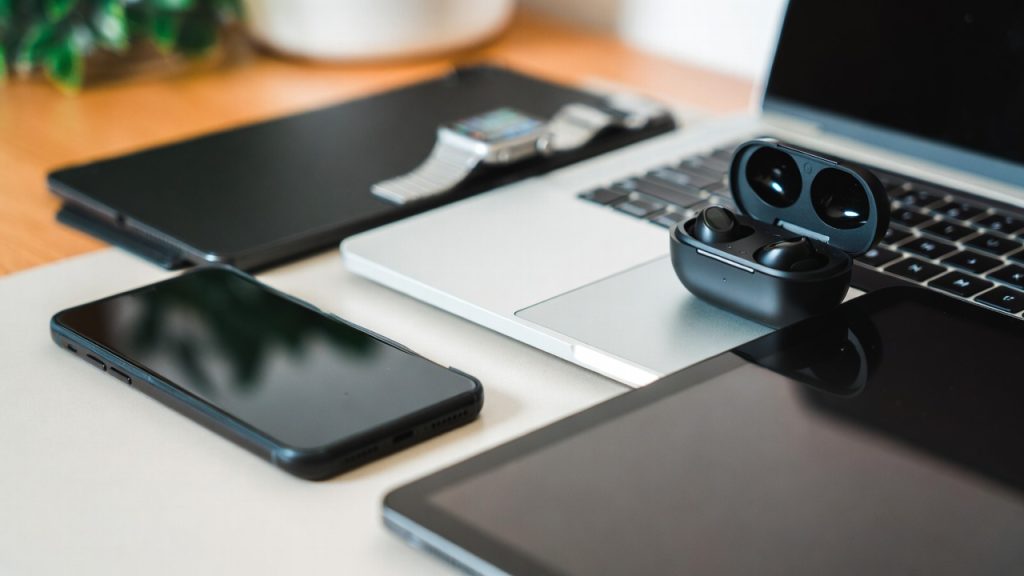
Gadgets and Hardware Trends 2026 Transforming Consumer Technology
Gadgets and hardware trends 2026 are redefining how humans interact with technology, shifting computing away from traditional screens toward intelligent, AI-powered devices embedded into everyday life. From AI-enabled smartphones and wearable health platforms to advanced semiconductor breakthroughs, hardware innovation is once again leading the next era of digital transformation.
After years dominated by software innovation, 2026 marks a clear return to hardware leadership — powered by artificial intelligence, edge computing, and global semiconductor competition.
As computing becomes increasingly ambient, devices are evolving from passive tools into proactive assistants capable of understanding context, predicting needs, and automating tasks.
This pillar explores the major hardware shifts shaping consumer technology and how they connect to broader industry transformations.

Why Hardware Innovation Matters Again
For over a decade, software dominated innovation cycles. Cloud platforms and mobile apps scaled rapidly while hardware improvements appeared incremental.
That changed with artificial intelligence.
AI workloads demand specialized hardware:
AI accelerators
neural processing units (NPUs)
advanced GPUs
energy-efficient chips
Software alone can no longer deliver performance gains.
The resurgence of hardware innovation aligns closely with broader computing changes discussed in our cloud and computing trends 2026 analysis.
Hardware is now the limiting factor — and therefore the biggest opportunity.
AI Devices 2026: The New Computing Platform
One of the most important gadgets and hardware trends 2026 is the emergence of AI-native devices.
Unlike traditional devices that rely heavily on cloud processing, AI devices perform intelligence locally.
Key Characteristics
On-device inference
Personal context awareness
Offline AI capabilities
Reduced latency
Improved privacy
Examples include:
AI PCs
intelligent smartphones
smart assistants embedded into operating systems
autonomous home devices
Companies are redesigning hardware architectures around AI workloads rather than general computing tasks.
(See supporting article: AI Devices 2026)
Semiconductor Innovation Powering the Hardware Revolution
Modern hardware progress depends on semiconductor breakthroughs.
Chip manufacturers are racing toward smaller fabrication nodes:
3nm production scaling globally
early 2nm experimentation
advanced chip stacking technologies
specialized AI accelerators
These advances enable:
faster machine learning models
lower power consumption
longer battery life
real-time AI processing
Global chip competition also shapes geopolitics, explored further in chip technology trends 2026.
Semiconductors are no longer just components — they are strategic infrastructure.
Wearable Technology Becoming Continuous Computing
Wearables are evolving beyond fitness tracking.
In gadgets and hardware trends 2026, wearable devices act as continuous computing platforms.
New Capabilities
real-time health monitoring
AI biometric analysis
stress and sleep prediction
augmented reality overlays
spatial computing interfaces
Smart glasses and advanced watches increasingly replace smartphone interactions for everyday tasks.
Wearables represent computing moving closer to the human body.
(Read: wearable technology 2026)
Consumer Electronics Innovation Accelerates
Consumer electronics are entering a reinvention phase driven by AI integration.
Key innovations include:
modular device architectures
foldable and flexible displays
adaptive interfaces
voice-first interaction models
AI personalization engines
Devices now adapt to users instead of users adapting to devices.
The shift mirrors broader digital culture changes where personalization becomes a baseline expectation.
Edge Computing and On-Device Intelligence
Cloud computing remains critical, but latency and privacy concerns push intelligence closer to users.
Edge computing enables devices to:
process data locally
respond instantly
reduce bandwidth usage
protect sensitive information
Hardware manufacturers now integrate NPUs directly into consumer devices.
This convergence between hardware and AI software reflects wider AI and software ecosystem evolution across the tech industry.
Sustainability Reshaping Hardware Design
Environmental pressure is transforming how gadgets are built.
Major hardware trends include:
Repairability
Governments increasingly support right-to-repair laws.
Energy Efficiency
AI chips prioritize performance per watt.
Recyclable Materials
Manufacturers adopt sustainable components.
Longer Device Lifecycles
Software optimization extends usable lifespan.
Sustainability is becoming a competitive advantage rather than a regulatory burden.
Global Hardware Competition Intensifies
Hardware innovation is now a geopolitical priority.
Major players include:
United States semiconductor ecosystem
Asian manufacturing dominance
European chip sovereignty initiatives
Supply chains are diversifying after pandemic disruptions.
This competition influences pricing, innovation speed, and device availability worldwide.
The Post-Smartphone Era Begins
Perhaps the most important gadgets and hardware trends 2026 development is the gradual transition beyond smartphones.
Emerging alternatives include:
AI wearables
spatial computing headsets
ambient assistants
voice-first environments
Smartphones will not disappear immediately, but their dominance is weakening.
Future computing will be distributed across multiple devices rather than centralized in one screen.
Hardware + AI = The New Technology Stack
The technology stack is reorganizing:
| Old Model | New Model |
|---|---|
| Cloud-first | AI-device-first |
| Software-led | Hardware + AI co-design |
| Centralized computing | Distributed intelligence |
Hardware companies increasingly collaborate with AI model developers to co-design products.
This integration defines the next decade of innovation.
Economic Impact of Hardware Innovation
Hardware advances influence multiple industries:
healthcare diagnostics
autonomous transportation
smart manufacturing
education technology
remote collaboration
The economic ripple effects extend far beyond consumer gadgets.
Hardware innovation drives productivity growth globally.
Challenges Facing Hardware Growth
Despite rapid progress, challenges remain:
high manufacturing costs
semiconductor supply risks
energy consumption concerns
rapid obsolescence cycles
consumer upgrade fatigue
Balancing innovation with sustainability will define long-term success.
Future Outlook: Gadgets and Hardware Beyond 2026
Looking ahead, several predictions stand out:
AI Everywhere
Every device will include local AI processing.
Invisible Computing
Technology fades into the background of daily life.
Personalized Hardware
Devices adapt dynamically to individuals.
Human-Computer Symbiosis
Interfaces become more natural and intuitive.
Hardware innovation is moving toward seamless integration with human behavior.
Conclusion
Gadgets and hardware trends 2026 signal a turning point where physical devices regain center stage in technological progress. AI, semiconductor breakthroughs, wearable computing, and sustainable design are collectively reshaping how technology is experienced.
The next era of computing will not be defined by apps alone but by intelligent hardware ecosystems working together across cloud, edge, and personal environments.
As supporting articles in this cluster explore individual innovations in depth, this pillar serves as the foundation for understanding how hardware is once again driving the future of technology.
Gadgets and Hardware Trends in 2026 – Frequently Asked Questions
What are gadgets and hardware trends 2026?
They refer to emerging innovations in AI devices, semiconductor technology, wearables, and next-generation consumer electronics shaping modern computing.
Why is hardware innovation accelerating again?
Artificial intelligence requires specialized chips and optimized devices, making hardware essential for performance improvements.
Are smartphones being replaced?
Not immediately, but wearable and ambient computing devices are gradually reducing smartphone dependence.
How does AI change hardware design?
Devices now include dedicated AI processors that enable real-time intelligence directly on hardware.
What industries benefit most from hardware innovation?
Healthcare, manufacturing, education, transportation, and consumer technology all benefit significantly.

Leave a reply