Complete Reduce File Size for Email 2026 Guide: Send Documents Without Limits
Reduce file size for email 2026 solutions are gaining attention as professionals increasingly face attachment limits across Gmail, Outlook, and corporate mail systems. As digital communication continues replacing physical paperwork, sending optimized documents has become a necessary productivity skill rather than a technical task.
Email remains one of the most widely used communication tools in business, education, and government operations. However, despite rapid advances in cloud infrastructure, attachment limits still create friction for users sharing contracts, resumes, invoices, academic submissions, and reports.
According to trends covered in our best PDF tools 2026 guide, document optimization has become a daily requirement rather than an occasional task. Professionals now prepare files specifically for digital delivery instead of simply exporting documents and attaching them without optimization.

Why Email Limits Still Exist in 2026
Many users assume modern email platforms should allow unlimited file sizes. In reality, attachment limits remain necessary for performance, security, and infrastructure stability.
- Server storage constraints: Email providers manage billions of messages daily, requiring strict storage efficiency.
- Spam prevention systems: Large attachments are frequently associated with malicious activity, so limits reduce abuse.
- Bandwidth optimization: Smaller attachments ensure faster delivery across global networks.
- Device compatibility: Not all recipients use high-speed connections or modern hardware.
Because these technical realities are unlikely to disappear, reduce file size for email 2026 strategies have become the practical solution rather than expecting email systems to change.
The Growing Importance of Document Optimization
The shift toward remote work and online submissions has dramatically increased the number of files sent through email daily. Teams collaborate across countries, students submit coursework online, and freelancers deliver client projects digitally.
Without optimization, large documents introduce several problems:
- Delayed sending times
- Attachment rejection errors
- Slow downloads for recipients
- Inbox storage issues
- Reduced workflow efficiency
Reducing file size ensures smoother communication and prevents unnecessary interruptions.
How Users Reduce File Size for Email 2026
Modern workflows rely on simple but effective optimization techniques that preserve document quality while shrinking file size.
Compression Before Sending
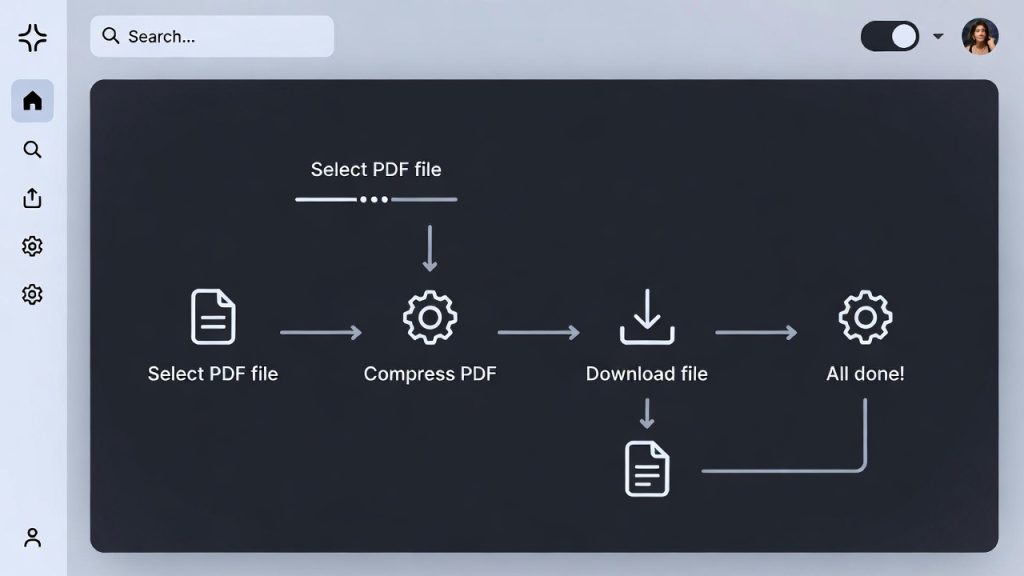
The most reliable method is compressing PDFs before attaching them. Compression tools analyze the document structure and remove inefficiencies without affecting readability.
Instead of manually editing files, users now rely on browser-based tools that process documents instantly.
This approach allows professionals to meet attachment limits within seconds while maintaining professional formatting.
Removing Unnecessary Pages
Many PDFs contain duplicate pages, unused appendices, or draft content that unnecessarily increases file size. Removing irrelevant pages before sending significantly reduces overall document weight.
Organizations increasingly encourage employees to send only essential information rather than entire document archives.
Optimizing Scanned Documents
Scanned PDFs are one of the biggest causes of oversized attachments. High-resolution scanners often produce files far larger than required for digital viewing.
Best practices include:
- Scanning at moderate resolution (150–300 DPI)
- Avoiding color scans when grayscale is sufficient
- Compressing scanned files after creation
Exporting Documents Correctly
Export settings also influence file size. Many applications include optimization options that reduce embedded resources during PDF creation.
Choosing “optimized for web” or “reduced size PDF” settings can dramatically decrease attachment size before compression is even needed.
Why This Matters for Job Applications
One of the biggest drivers behind reduce file size for email 2026 searches is job applications. Recruitment systems frequently enforce strict upload limits, sometimes as low as 5MB.
Applicants who submit oversized resumes or portfolios risk automatic rejection by automated systems before a recruiter even reviews their application.
Optimized documents provide several advantages:
- Faster uploads
- Professional presentation
- Higher submission success rates
- Improved recruiter experience
For candidates competing in digital hiring environments, file optimization can indirectly influence opportunities.
Business Communication Benefits
Companies also benefit significantly from smaller attachments. Sales proposals, invoices, and reports are exchanged daily, and large files slow down communication chains.
Reducing file sizes improves:
- Email delivery speed
- Customer experience
- Mobile accessibility
- Cloud storage efficiency
Small improvements repeated across hundreds of emails create measurable productivity gains.
Security Considerations When Reducing File Size
Modern optimization tools emphasize privacy and secure processing. Trusted platforms typically include encrypted uploads and automatic file deletion after processing.
Users should always verify that tools do not permanently store uploaded documents, especially when handling contracts or sensitive information.
Security awareness has become a key factor influencing adoption of online document tools.
The Future of Email Attachments
While cloud sharing links are growing in popularity, email attachments remain essential for formal communication. Over the next few years, optimization tools will likely become integrated directly into productivity platforms.
Future developments may include:
- Automatic compression before sending emails
- AI-based document optimization
- Smart file-size prediction
- Real-time attachment warnings
These innovations reinforce why reduce file size for email 2026 practices are becoming standard digital skills.
Related Guides
FAQs
What email size limit is common?
Most providers allow attachments between 20MB and 25MB, although corporate systems may enforce smaller limits.
Can compression damage documents?
Modern compression tools optimize internal structure rather than lowering text quality, preserving readability and formatting.
Best way to send large PDFs?
Compress files before attaching them to email to ensure successful delivery.
Why are scanned PDFs usually large?
Scanners often capture images at unnecessarily high resolution, creating oversized files that benefit greatly from compression.
Is reducing file size necessary for small documents?
Even smaller PDFs benefit from optimization because reduced size improves loading speed and storage efficiency.

Leave a reply