The Next Smartphone War Is AI Chips
Why AI Chips in Smartphones Matter More Than Ever
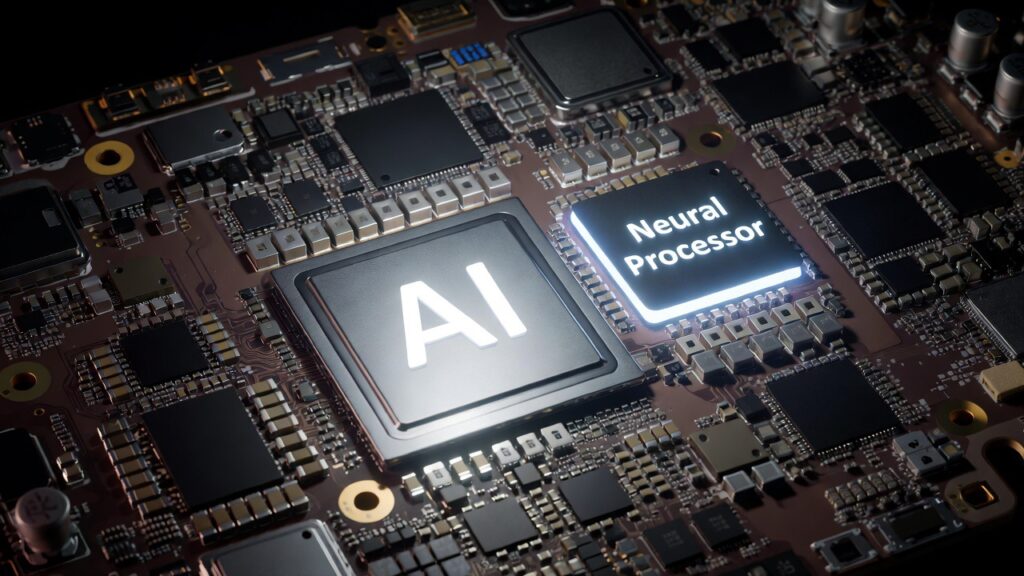
AI chips in smartphones are becoming the most important battleground in the mobile industry. As artificial intelligence moves onto devices, chipmakers are racing to build processors capable of running complex AI models locally.
For more than a decade, smartphone competition revolved around visible features such as cameras, displays, and battery capacity.
In 2026, that competition has shifted beneath the surface.
The next smartphone war is about AI silicon.
Artificial intelligence acceleration has become the defining capability of modern devices. The brands that win the AI silicon race will shape the next era of mobile computing.

Why AI Chips Matter More Than Ever
Modern smartphones are no longer communication devices alone. They are AI-powered computing platforms.
AI now drives:
- Real-time photo enhancement
- Voice assistants
- On-device translation
- Predictive typing
- Augmented reality
- Generative image tools
- Battery optimization
These features depend on specialized hardware accelerators — not just general-purpose CPUs.
What Is an AI Chip?
An AI chip includes dedicated processing units designed specifically for machine learning workloads.
Common components include:
- Neural Processing Units (NPUs)
- Tensor accelerators
- AI engines integrated into System-on-Chip (SoC) designs
These components handle matrix multiplications and neural network computations far more efficiently than traditional processors.
The Key Competitors
1. :contentReference[oaicite:0]{index=0}: Vertical AI Integration
Apple’s strategy centers on vertical control. By designing its own silicon, Apple integrates AI acceleration deeply into both hardware and operating systems.
The Neural Engine embedded in its chips powers:
- On-device generative AI
- Real-time image processing
- Secure biometric authentication
- Offline AI features
This tight integration allows Apple to optimize performance-per-watt, delivering powerful AI features without severe battery drain.
More importantly, it strengthens ecosystem lock-in. Developers build for Apple’s AI frameworks, reinforcing platform advantage.
2. :contentReference[oaicite:1]{index=1}: The Android AI Backbone
Qualcomm powers much of the Android ecosystem through Snapdragon platforms.
Its AI Engine combines CPU, GPU, and dedicated AI cores to accelerate on-device inference.
Qualcomm’s strategy emphasizes:
- Scalable AI across price tiers
- Performance efficiency
- Support for augmented reality and XR
- Broad manufacturer partnerships
Because Android devices span hundreds of manufacturers, Qualcomm’s influence shapes global AI accessibility.
3. :contentReference[oaicite:2]{index=2}: Infrastructure Powerhouse
While primarily dominant in data centers, NVIDIA’s GPU leadership shapes the entire AI ecosystem.
Most AI models powering smartphones are trained using NVIDIA hardware before being optimized for edge deployment.
NVIDIA’s long-term strategy blends:
- Data center AI dominance
- Edge inference platforms
- Software ecosystem control (CUDA, SDKs)
Although less visible in consumer smartphones, NVIDIA influences the AI model pipeline feeding mobile ecosystems.
Why AI Chips Are the New Differentiator
Camera hardware once defined smartphone upgrades.
Now AI defines the experience.
Consider these trends:
- On-device generative image editing
- AI-powered personalization engines
- Real-time object removal in videos
- Offline voice assistants
- Context-aware operating systems
These features require powerful AI acceleration to function smoothly without cloud dependency.
The Privacy Advantage
On-device AI processing reduces the need to upload personal data to remote servers.
This aligns with global privacy expectations and regulatory pressure.
Manufacturers increasingly promote on-device processing as a privacy-first strategy.
Statistical Projections (2026–2030)
- Majority of premium smartphones now ship with dedicated AI accelerators.
- AI workload processing on devices projected to grow significantly over the next five years.
- Edge AI hardware spending expected to expand at strong compound annual growth rates.
- AI-enhanced smartphone features driving upgrade cycles in mature markets.
AI capability is becoming a purchasing criterion.
Battery and Performance Efficiency
AI chips are designed for performance per watt. This is crucial in mobile environments.
Dedicated accelerators perform tasks faster and more efficiently than general CPUs.
This enables:
- Lower heat generation
- Extended battery life
- Sustained AI performance
Without specialized silicon, advanced AI features would quickly drain batteries.
Dedicated AI chips in smartphones allow devices to process machine learning workloads locally without relying heavily on cloud servers.
Operating Systems Are Becoming AI-Native
Smartphone operating systems increasingly integrate AI at the system level:
- Predictive app launching
- Context-aware notifications
- Adaptive battery optimization
- Personalized UI adjustments
These features rely on continuous background inference — made possible by AI chips.
These intelligent system features are only possible because modern AI chips in smartphones can run continuous inference efficiently.
The Hardware Roadmap Ahead
Between 2026 and 2028, expect:
- Larger on-device model capacity
- Improved quantization techniques
- Greater AI performance-per-watt gains
- Enhanced multi-modal AI processing
- AI-first system-on-chip architectures
Hardware competition will intensify as companies race to support more advanced generative AI features locally.
The Ecosystem Lock-In Effect
AI chips influence:
- Developer frameworks
- App optimization
- Model compatibility
- Platform-specific AI features
Once developers optimize for a specific AI engine, switching ecosystems becomes harder.
This gives chipmakers long-term leverage.
Is the Smartphone Becoming an AI Computer?
Yes.
Modern smartphones increasingly resemble compact AI workstations:
- Local inference engines
- Dedicated AI memory pathways
- Hardware-level AI acceleration
- Offline generative capabilities
The smartphone is evolving from a communication tool into a personal AI node.
Risks and Constraints
- Thermal management limitations
- Fragmentation across Android ecosystem
- Model size constraints
- Rapid hardware iteration cycles
Despite these challenges, AI silicon innovation continues accelerating.
Long-Term Implications
The AI chip war will shape:
- Consumer device innovation
- Developer ecosystems
- Mobile operating system evolution
- Edge computing infrastructure
- Enterprise mobile deployment strategies
Hardware capability will increasingly determine AI capability.
The brands that lead in AI acceleration will define the next decade of mobile computing.
Related Links
- AI Hardware & Edge AI 2026 (Pillar)
- Why AI Is Moving Onto Your Device
- Edge AI vs Cloud AI Explained
- How AI Chips Improve Battery Life in Smartphones
- Will AI Agents Replace Junior Developers First?
External References
- Apple Silicon Overview
- Qualcomm Snapdragon AI
- NVIDIA AI Infrastructure
- World Economic Forum Technology Reports
Frequently Asked Questions
What are AI chips in smartphones?
AI chips in smartphones are specialized processors designed to accelerate machine learning tasks such as image recognition, voice processing, and predictive features directly on the device.
Why are AI chips important in modern smartphones?
AI chips allow smartphones to perform complex AI tasks locally, improving speed, privacy, and battery efficiency while reducing reliance on cloud computing.
Which companies lead AI chip development for smartphones?
Major players include Apple with its Neural Engine, Qualcomm with its Snapdragon AI Engine, and NVIDIA which powers much of the AI infrastructure used to train mobile models.
Do AI chips improve smartphone battery life?
Yes. AI chips are optimized for performance per watt, allowing devices to run AI features efficiently while minimizing power consumption.

Leave a reply