Hidden Cloud Dependent Devices Risks Most Users Ignore in 2026

Introduction
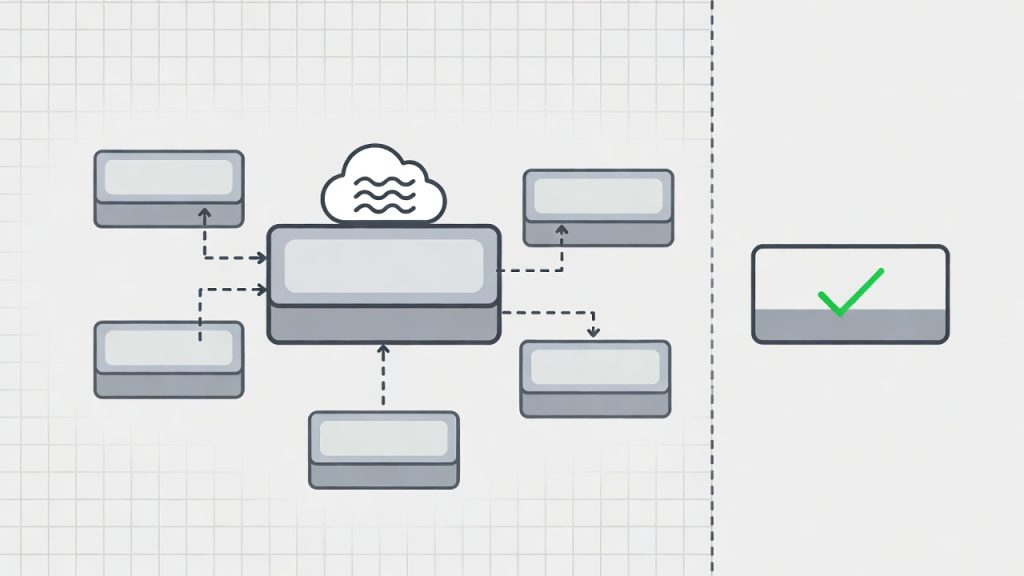
The growing conversation around cloud dependent devices risks reflects a major shift in how modern technology operates. Devices once designed to function independently now rely heavily on remote servers, online authentication, and cloud infrastructure to unlock essential features.
Smartphones, laptops, smart home systems, and even vehicles increasingly depend on constant connectivity. While this enables powerful capabilities like synchronization and artificial intelligence, it also introduces vulnerabilities many users do not recognize until something breaks.
In 2026, device ownership is no longer defined solely by physical possession. Functionality often depends on services controlled by companies rather than users themselves.
Server Shutdown Risks
One of the most overlooked cloud dependent devices risks is server shutdown.
When companies discontinue online services, devices tied to those servers may lose critical functionality — sometimes permanently.
What Happens During Server Shutdowns
- Authentication systems stop working
- Apps fail to launch
- Smart features disappear
- Device setup becomes impossible
- Cloud data becomes inaccessible
History shows multiple examples of products becoming partially unusable after companies retired backend services. Unlike traditional hardware failures, users cannot repair server-side systems themselves.
This growing dependency is explored further in our pillar analysis:
Digital Ownership Technology 2026 Guide.
Login Dependency Failures
Modern devices frequently require account verification before allowing access. This introduces another major category of cloud dependent devices risks.
Common Login Failure Scenarios
- Forgotten passwords with failed recovery
- Account suspensions or policy violations
- Two-factor authentication loss
- Regional service restrictions
- Provider outages
Even when hardware works perfectly, login failures can lock users out completely.
Security systems designed to prevent theft can unintentionally create permanent access barriers for legitimate owners.
Data Portability Problems
Cloud ecosystems often store personal files, settings, and workflows remotely. Moving away from a platform can therefore become difficult.
Why Data Portability Is Challenging
- Proprietary file formats
- Limited export options
- Platform-specific integrations
- Subscription-based storage access
Users may discover that years of photos, documents, or AI-generated content cannot easily migrate to competing services.
This creates ecosystem lock-in — a powerful incentive to remain within a single company’s environment.
Offline Survival Strategies
Although cloud dependency continues growing, users can reduce risks by preparing devices for partial offline independence.
Practical Protection Steps
- Maintain local backups of critical files
- Export data regularly from cloud platforms
- Keep offline copies of installers when possible
- Document account recovery information securely
- Use devices that retain basic offline functionality
These strategies help ensure access even if services change or disappear.
For a deeper understanding of AI-driven dependency trends, see:
AI Controlled Devices Future.
Why Cloud Dependency Is Increasing
Despite risks, companies continue expanding cloud-based systems because they enable:
- Continuous software improvements
- AI-powered personalization
- Centralized security monitoring
- Cross-device synchronization
- Subscription-based business models
From an industry perspective, cloud infrastructure allows faster innovation and better protection against cyber threats. From a user perspective, however, it reduces independence.
The Ownership Trade-Off
Cloud-dependent technology introduces a trade-off between convenience and autonomy.
Benefits
- Automatic updates
- Seamless synchronization
- Advanced AI features
- Remote device recovery
Risks
- Loss of access without servers
- Account-based lockouts
- Vendor ecosystem dependence
- Uncertain long-term device lifespan
Understanding this balance helps users make informed technology choices.
Industry Outlook
Experts predict cloud reliance will deepen as artificial intelligence becomes the core computing interface. Devices may increasingly function as portals to remote intelligence rather than standalone computers.
This trend aligns with broader changes explored across TechTrep Media’s Digital Ownership series, where hardware ownership continues evolving into service-based access.
Conclusion
Cloud dependent devices risks are becoming one of the defining technology challenges of 2026. While cloud integration delivers powerful capabilities, it also introduces vulnerabilities tied to servers, accounts, and long-term platform stability.
Users who understand these risks early can take proactive steps to maintain control, preserve data, and reduce dependence on any single ecosystem.

Leave a reply